DUO ENCORDÉ
Duo Encordé was born with the ambitious vision of bringing new music to the guitar duo repertoire. During its concerts, the Duo often presents original transcriptions of works of disparate styles and periods.
Duo Encordé is formed by Michele Reali and Eva Victoria Schockmel, who met in Amsterdam during their studies at the Conservatorium.
In August 2025 Duo Encordé won 3rd prize at the 14th International Guitar Duo Competition in Iserlohn, and in September of the same year, they had their debut in the prestigious Concertgebouw of Amsterdam.
The name ‘Duo Encordé’ is inspired by the French verb ‘s’encorder’ which refers to the action of securing oneself and one to another with the same rope in mountaineering, and concomitantly encapsulates the noun ‘cordes’ (strings).
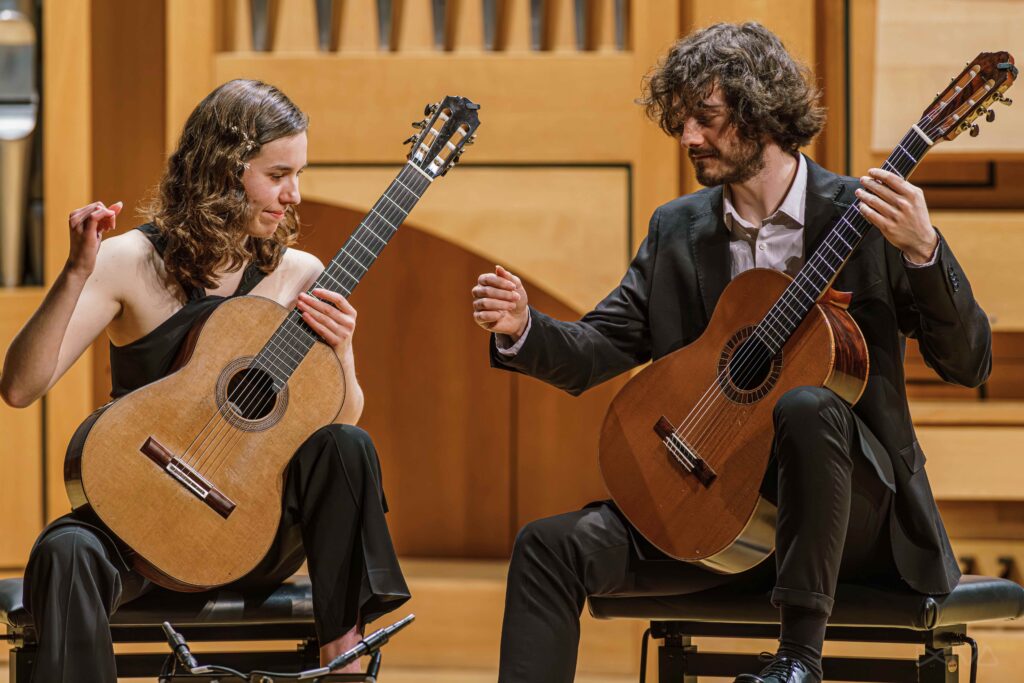
Duo Encordé offers a wide and diverse repertoire, that covers many styles and genres of the original guitar duo repertoire. The impressionistic atmospheres of Castelnuovo-Tedesco, and the Spanish impressions of Joaquin Rodrigo are often part of their concert programs. As we are profoundly committed to the research of new non-original repertoire, with Duo Encordé we constantly produce arrangements chiefly of music originally written for piano solo, orchestra, and string quartet. Among others, “Alborada del Gracioso” by Maurice Ravel, “Cuatro Piezas Espanola” by Manuel de Falla, “Clair de Lune” by Claude Debussy, “Italienisches Konzert BWV 971” by J. S. Bach.
SOLOIST
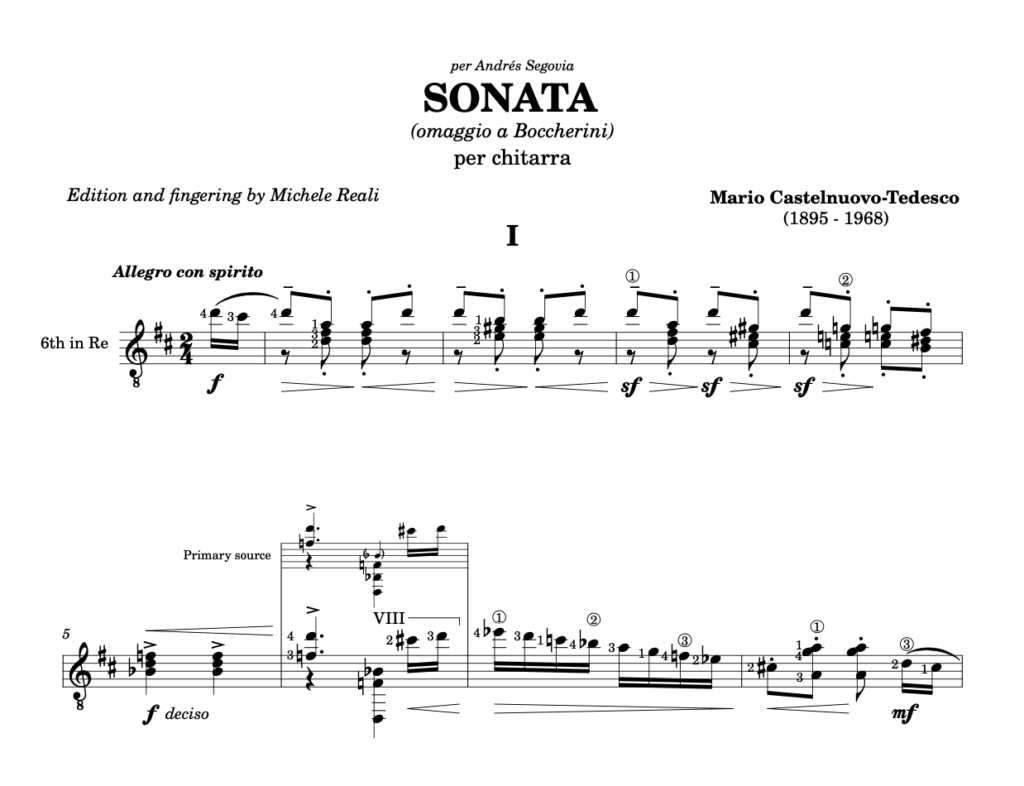
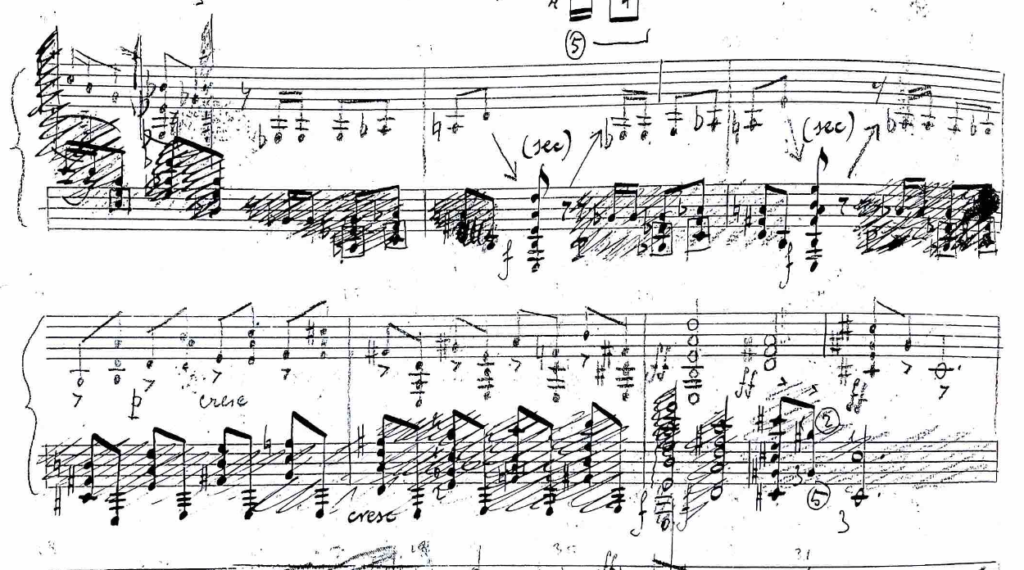
As a solo performer, Michele has very solid and clear ideas on how to direct his musical activity. He deeply cares about an accurate read of the score, and the research of new ways of playing the existing repertoire. His interpretations are informed upon comparing different editions and manuscripts, often leading him to produce original editions. In particular, Michele is rather passionate about questioning the authority, being often critical of the tendency of mindlessly relying on Segovia’s editions, while acknowledging his crucial importance, and his contribution to the guitar repertoire and method. Michele believes that a true understanding of the repertoire can only be achieved by going through the same process of analysis and correction of the original sources that editors endure.
Michele’s interpretative style is wherefore simple and transparent, and with particular sensitivity towards rhythm and sound quality. He often says that a good interpretation must provoke in the audience an irresistible feeling of dancing.
Listen here to Michele’s interpretation of “Fantasia-Sonata” by Joan Manen based on the first draft of the piece. Although Segovia rejected this version and demanded an alternative, the composer used it to produce the orchestra adaptation of the piece. This edition represents at its best the descriptive style of Manen, that takes inspiration from the large musical forms of Strauss and Wagner.